

For years, the word “mild” carried a reassuring implication in HIE: Mild HIE meant the baby would probably be “fine”. That belief shaped research, clinical care, and communication with families. Babies classified as having mild HIE were generally excluded from the original randomized therapeutic hypothermia trials because they were believed to have a favorable prognosis, without long-term data making that […]
For decades, age two has been one of the most important checkpoints in HIE research. There’s a good reason for that. It’s called the Bayley Scales of Development, and it’s the most commonly used assessment for clinical trials. By 18–24 months, clinicians can assess important areas of development, including motor, cognitive and language skills. Many foundational studies of therapeutic hypothermia […]
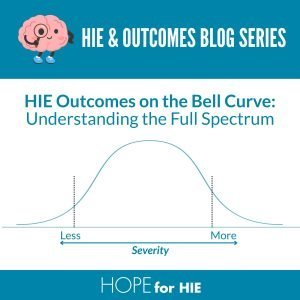
One of the first questions families ask after an HIE diagnosis is also one of the hardest: “What is my child’s outcome going to be?” It’s an understandable question. Families want to know what life will look like, what their child may need, and what they should prepare for. The difficult answer is that HIE doesn’t have one outcome. HIE […]

As the season of giving unfolded, Hope for HIE was honored to conclude 12 Days of Hope—a heartfelt reflection on the many ways our community shows up for families around the world impacted by hypoxic ischemic encephalopathy (HIE). Over twelve days, we shared powerful stories directly from our families, volunteers, and advocates—stories told in their own words. Each one served as […]

At Hope for HIE, we are constantly working to bridge families with the latest research, emerging therapies, and the experts who are pushing the field forward. Recently, we sat down with Dr. Brian Kalish, neonatologist, neuroscientist, and Vice Chair of Hope for HIE’s Medical Advisory Board, to learn about a new clinical trial he’s leading at Boston Children’s Hospital. This study […]
Connect with families, read inspiring stories, and get helpful resources delivered right to your inbox.


Connect with families, read inspiring stories, and get helpful resources delivered right to your inbox.


