


Tuesday, July 7, 2026 was a big deal for the HIE community.
Hope for HIE leadership was in Washington, D.C. for the ARPA-H Making Obstetrics Care Smart (MOCS) public kick-off meeting — and we weren't just in the room. We were driving the patient-family stakeholder perspective forward.
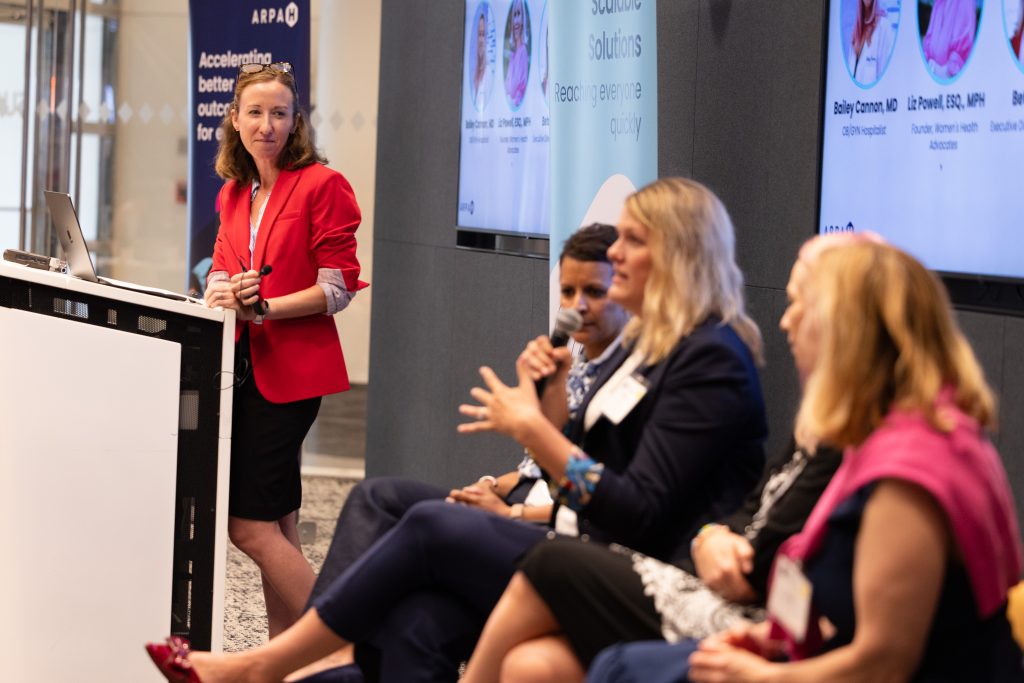
Executive Director Betsy Pilon joined the "Collaborator Voices" session alongside Liz Powell, Founder of Women's Health Advocates, and Dr. Bailey Cannon, OB/GYN Hospitalist, and Dr. Christina Davidson, ACOG's Chief Medical Officer, right after welcome remarks from ARPA-H's Natalie Kates and ahead of Program Manager Dr. Kate Arnold's walkthrough of the program's goals and path forward.
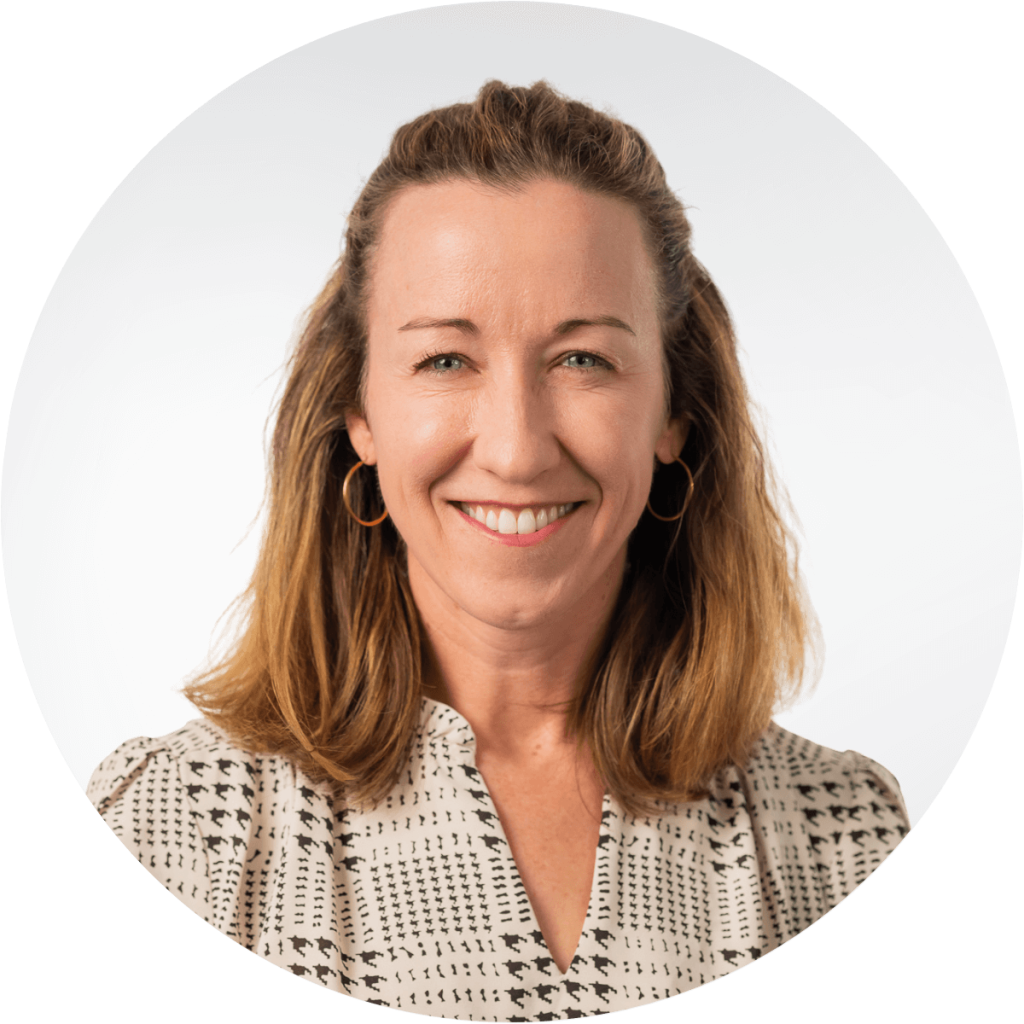
"With today’s technologies, it isn't until after delivery that we can truly tell if a baby was hypoxic. We’re going to raise the standard of care, which will result in more safe, healthy births by providing care teams and patients with actionable data."
- Kate Arnold, M.D., MBA, MOCS Program Officer
The projects funded through MOCS are focused on something our community knows all too well: What happens when a baby is in trouble before or during birth — and there is not yet a good enough way to see it, measure it, or act on it in time? So many HIE stories start in that awful gap between “something feels off” and “we know what is happening.” This work is trying to close that gap.
We heard about fetal EEG, placental biomarkers, wearables, and non-invasive technology being developed — over $90m in funding — to identify fetal hypoxia and intervene to ultimately decrease and prevent the incidence and impact of HIE.
Yes — the ultimate BHAG (that’s big hairy audacious goal).
ARPA-H is putting up to $34 million behind it in year one of a four-year, $90.7 million program, split across two goals: a rapid point-of-care test that flags which mothers are at highest risk for complications before labor even begins (UC San Diego, UNC Charlotte, and the Wyss Institute are building this), and a next-generation, noninvasive, wireless fetal monitor powered by AI that reads a baby's oxygen levels in real time during labor and recommends next steps for the care team (Carnegie Mellon, Columbia, Tulane, the University of New South Wales, and Wavelet Medical are building this).
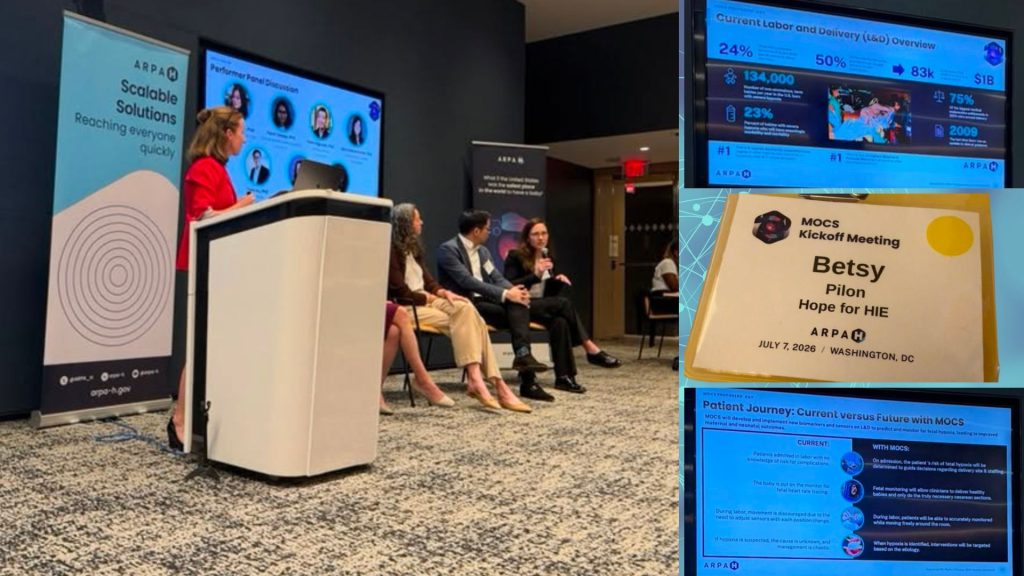
One of the most important parts of the meeting was seeing advocacy included from the beginning. In the room, at the start, where the questions and projects are being shaped. Adult medicine, including obstetrics, is still catching up to what our community has helped build with neonatology and child neurology: patient-families are not “extra.”
We are essential.
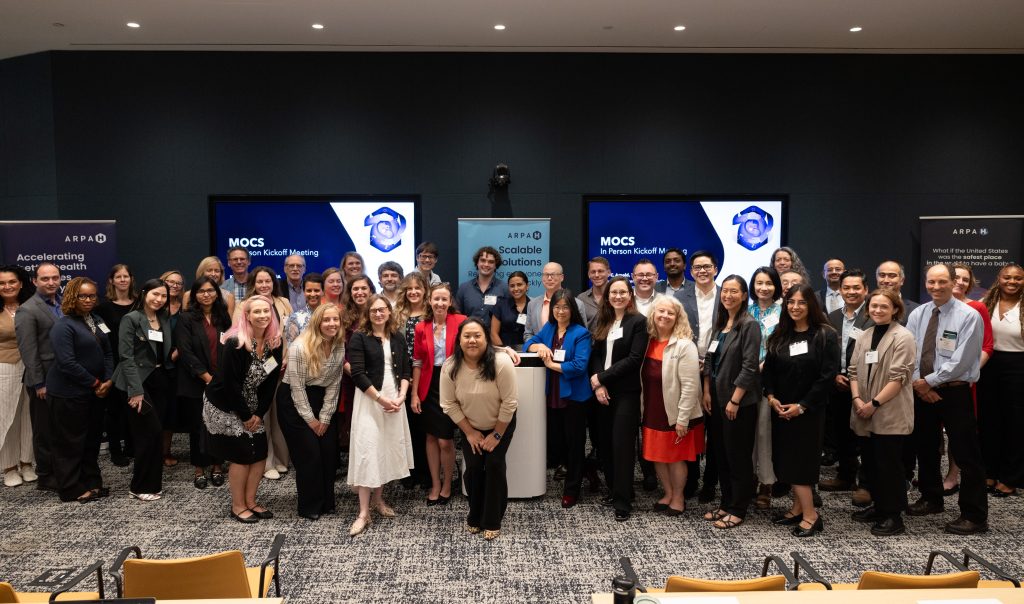
The room was eager to connect with Hope for HIE staff and families, and we were grateful to spend time with ARPA-H, ACOG leadership, and several funded project teams who we are eager to keep building with.
At Hope for HIE, our ultimate mission is to help drive advances so meaningful that fewer families need us in the first place.
That is the essence of HOPE.
Read more about the ARPA-H project participants here: https://arpa-h.gov/explore-funding/awards
Connect with families, read inspiring stories, and get helpful resources delivered right to your inbox.


Connect with families, read inspiring stories, and get helpful resources delivered right to your inbox.


