


Betsy Pilon, Executive Director of Hope for HIE, contributed to new American Clinical Neurophysiology Society clinical guidelines on indications for continuous EEG monitoring for babies at risk for neonatal seizures, recently published in the Journal of Clinical Neurophysiology.
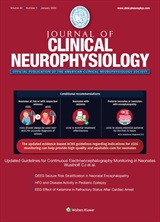
Dr. Courtney Wusthoff, lead author, wanted to ensure that patient-family perspectives were included in the guidelines, and many of the concerns shared within the Hope for HIE community were included and addressed with these new guidelines.
Neonatal Hypoxic Ischemic Encephalopathy is the top cause of neonatal seizures, and continuous EEG monitoring allows for babies at risk of neonatal seizures to be better monitored to intervene, if necessary, and qualify for therapeutic hypothermia.
In advocacy conversations, there have been robust discussions about how parents feel witnessing their baby actively seizing, and the impact of medicating or not medicating. For subclinical seizures that may not be obvious, not detecting them can potentially withhold therapeutic hypothermia treatment, which can decrease mortality and morbidity and is currently the only known effective intervention to impact the extent of HIE, improving outcomes.
EEG is a critical diagnostic tool that is important for HIE babies to receive appropriate care, and for families to gain a better understanding of their child's clinical picture.
Hope for HIE is grateful to the co-authors who thoughtfully include patient-family input in the work across many facets of pediatric neurology that directly impact HIE families.
Connect with families, read inspiring stories, and get helpful resources delivered right to your inbox.


Connect with families, read inspiring stories, and get helpful resources delivered right to your inbox.


